Back to Brain Toolkit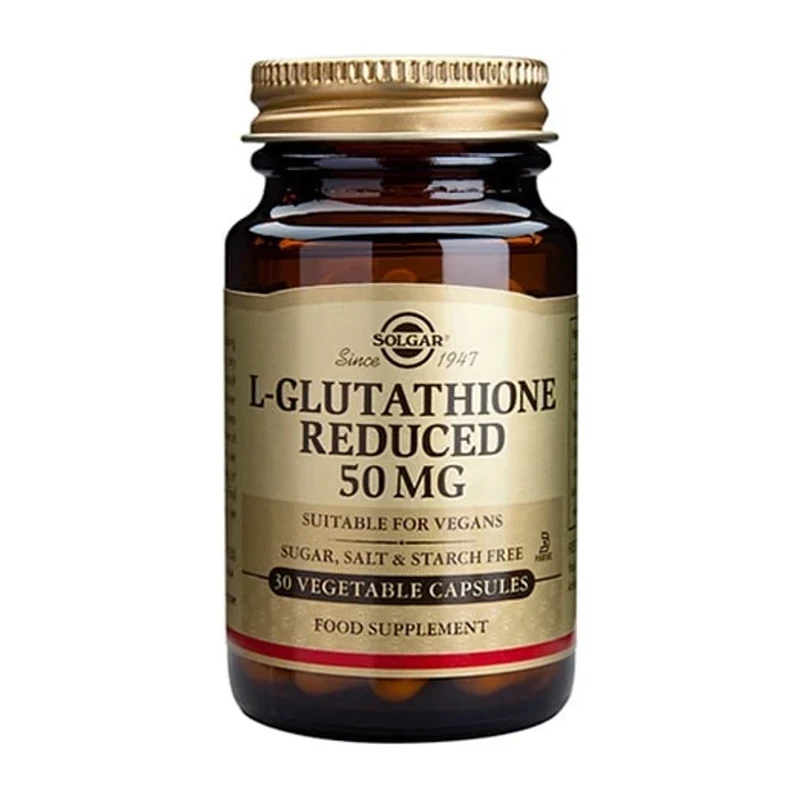
Glutathione
The body's master antioxidant
Gavin's Personal RatingMy Personal Rating: 4 out of 5 stars4/5
Not enough evidence yetCurrently Using
Last updated: October 2026
Why I Bought It
I became interested in glutathione because of its important role in the body's antioxidant systems.
My Personal Experience
In my personal experience, I find glutathione interesting as part of my broader wellbeing routine. I feel it supports mental energy and sleep quality, and I've noticed healthier-looking skin. I've also taken it alongside 2,000 mg of vitamin C and perceived a stronger overall effect. These are my personal observations, not proof that this combination boosts brain performance or improves sleep for everyone.
What the Science Says
Research on glutathione in ADHD is almost entirely about levels found in the body, not about supplementing it as a treatment. Studies have found people with ADHD and autism tend to show lower glutathione levels and reduced antioxidant activity — but this is correlational biomarker research, not evidence that supplementing corrects the issue. Oral glutathione also has notoriously poor bioavailability, since it's largely broken down by digestive enzymes before absorption — which is why some researchers focus on precursors like NAC instead. The case for supplementing glutathione directly (as opposed to its precursors) improving ADHD symptoms is weaker and more indirect than for NAC.
What We Don't Know
There's no meaningful direct research connecting oral glutathione supplementation to ADHD symptoms or cognitive performance. Most of what's known relates to general antioxidant biology and specific medical contexts (like certain liver or lung conditions), not attention or focus.
Safety & Cautions
Glutathione supplements are generally considered safe for most people at typical doses, with occasional reports of mild digestive upset. As with any supplement, it's worth checking with a healthcare professional first, particularly if you're pregnant, breastfeeding, or managing an existing condition. If you pair it with vitamin C as I do, note that 2,000 mg a day is the generally accepted upper limit for adults; going above it can cause stomach upset and diarrhoea, and isn't advised for people prone to kidney stones.
My Honest Verdict
Not enough evidence yet
Still an area of interest and ongoing exploration.
Not medical advice. This page shares personal experience and general research summaries — it is not a diagnosis, treatment, or cure for ADHD or anything else. Always talk to a qualified healthcare professional before starting any supplement.
More from the Brain Toolkit
Have you tried Glutathione?
How did your experience compare? I'd genuinely love to hear about it -- message us using the WhatsApp button on this site.